

Get the nutrients you and your family need.
Your monthly WIC foods will change as your needs change and your child grows.
Get Variety with Your WIC Foods
Your WIC foods include items from this list.
Fruits, Vegetables and Juice
- Fresh, frozen and canned fruits and vegetables
- Vitamin C-rich 100% fruit or vegetable juices
Whole Grains
- Whole wheat bread, bagels or buns
- Corn or whole wheat tortillas
- Brown rice
- Oatmeal
- Whole wheat pasta
- Quinoa
- Bulgur
- Corn masa flour
Dairy and Dairy Alternatives
- Milk (regular, lactose-free, fry powdered or evaporated)
- Cheese
- Yogurt
- Kosher milk and cheese
- Pea protein milk
- Soy milk
- Tofu
Protein Foods
- Eggs
- Dry beans, split peas or lentils
- Canned beans
- Peanut butter
- Canned fish
Cereal
- Iron-fortified and low in sugar
- Whole grain and gluten-free choices
Baby Foods
- Baby cereal
- Baby food fruits and vegetables
- Baby food meats for fully breastfeeding babies
- Infant formula*
*WIC is committed to helping mothers reach their breastfeeding goals. Starting or increasing formula can decrease your breastmilk supply. If you need help with maintaining your supply, please reach out to your local WIC office or call the free 24/7 Texas Lactation Support Hotline at 855-550-6667.
WIC Foods – How much do I get?
-

 Pregnant Women’s Monthly WIC Foods
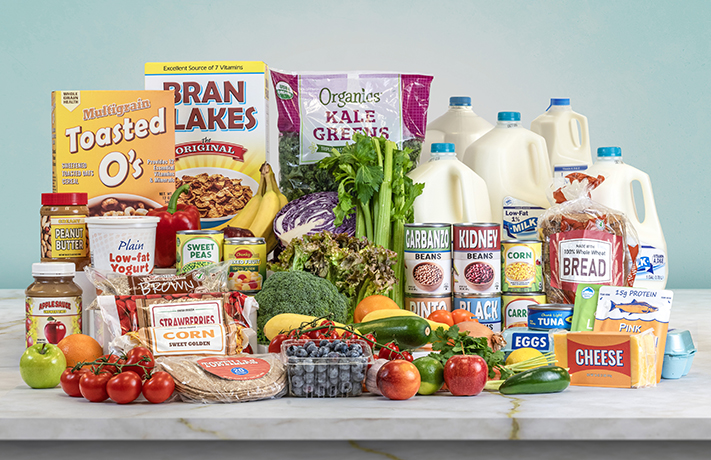
- Cereal: 36 ounces
- Whole grains: 48 ounces
- Fruits and vegetables: $51.00
- Low-fat or fat-free milk: 4.5 gallons
- Yogurt or low-fat milk: 1 quart
- Cheese: 1 pound
- Eggs: 1 dozen
- Beans and peanut butter: 1 pound dry or 4 cans, and peanut butter 16- to 18- ounce jar
- Canned tuna, salmon sardines and mackerel: 10 ounces
-
Fully Breastfeeding Monthly WIC Foods
The fully breastfeeding option is the largest and does not contain any formula. Moms and babies can get these foods until baby’s first birthday.
WIC recommends you feed your baby only breastmilk for the first 6 months of life. When your baby is around 6 months old, introduce solid foods and continue to breastfeed for 2 years or longer, as desired. As a WIC mom, you will receive breastfeeding support throughout your baby’s first year.
Foods for Women
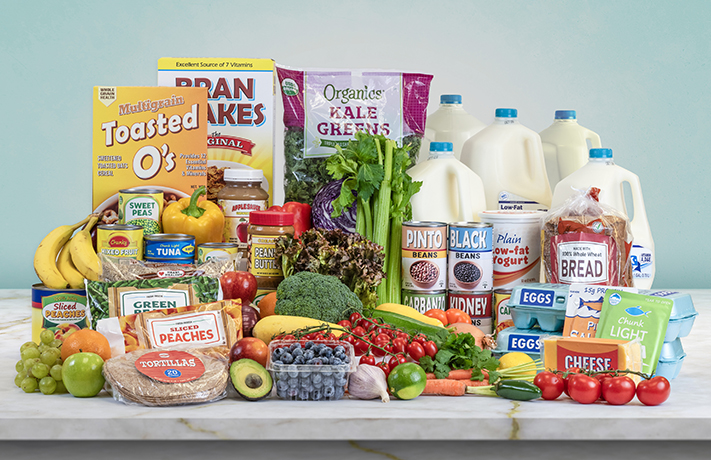
- Cereal: 36 ounces
- Whole grains: 48 ounces
- Fruits and vegetables: $56.00
- Low-fat or fat-free milk: 5 gallons
- Yogurt or low-fat or fat-free milk: 1 quart
- Cheese: 1 pound
- Eggs: 2 dozen
- Beans and peanut butter: 1 pound dry or 4 cans and 16- to 18- ounce jar of peanut butter
- Canned tuna, salmon, sardines and mackerel: 20 ounces
Women who are fully breastfeeding multiples (twins, triplets, etc.) will get 1.5 times the amount of food in the fully breastfeeding option.
Foods for Infants
When your baby is age 0-5 months:
- The best and only food source your baby needs during this time is your breastmilk. No WIC foods provided
When your baby is age 6-11 months:
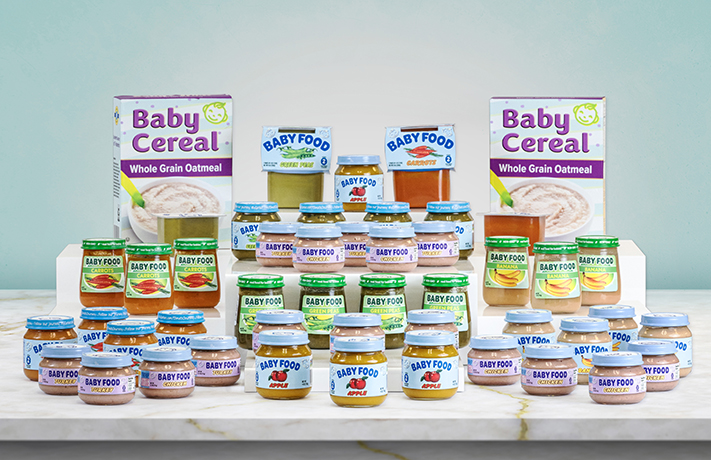
- Infant cereal: 16 ounces
- Baby fruits/vegetables: 32 containers, 4 ounces each
- Baby food meats: 16 containers, 2.5 ounces each
-
Partially Breastfeeding Monthly WIC Foods
The partially breastfeeding option is for families who are feeding both breastmilk and formula. It contains less food than the fully breastfeeding option but more than the formula feeding option, and it includes some formula. The amount of formula will vary depending on your baby’s needs and age. Moms and babies can get these foods until baby’s first birthday.
As a WIC mom, you will receive breastfeeding support throughout your baby’s first year.Foods for Women
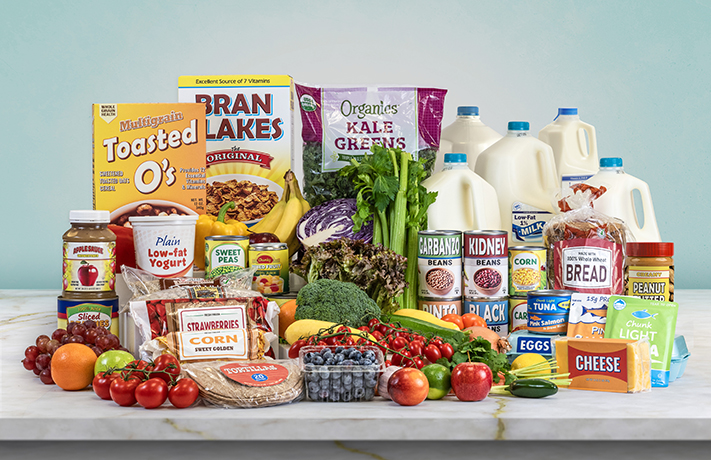
- Cereal: 36 ounces
- Whole grains: 48 ounces
- Fruits and vegetables: $56.00
- Low-fat or fat-free milk: 4.5 gallons
- Yogurt or low-fat milk: 1 quart
- Cheese: 1 pound
- Eggs: 1 dozen
- Beans and peanut butter: 1 pound dry or 4 cans, and 16- to 18- ounce jar of peanut butter
- Canned tuna, salmon, sardines and mackerel: 15 ounces
Foods for Infants
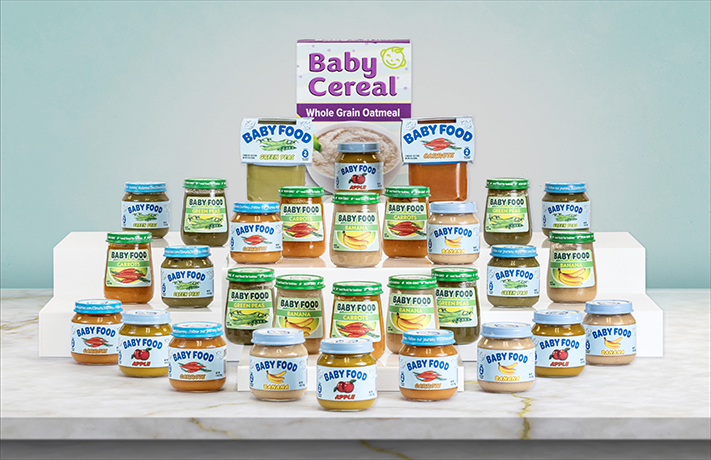
Breastfeed when you and your baby are together.
When your baby is age 0-3 months old:
- Formula: up to four cans of 12.5-ounce powder*
When your baby is age 4-5 months old:
- Formula: up to five cans of 12.5-ounce powder*
When your baby is age 6-11 months old:
- Formula: up to four cans of 12.5 ounce powder*
- Infant cereal: 8 ounces
- Baby food fruits and vegetables: 32 containers, 4 ounces each
*All formula amounts are approximate and may vary based on type and can size.
-
Formula or Some Breastfeeding Monthly WIC Foods
The formula or some breastfeeding option is for families who are feeding mostly formula with some breastfeeding or only formula. It includes more formula than the partially breastfeeding option, but not all the formula your baby may need. Moms who choose this option will receive foods for the first 6 months after baby is born.
If you choose this option, your baby will receive the following foods throughout the first year. You will receive foods for yourself only during the first 6 months.
As a WIC mom, you will receive breastfeeding support throughout your baby’s first year.
Foods for Women
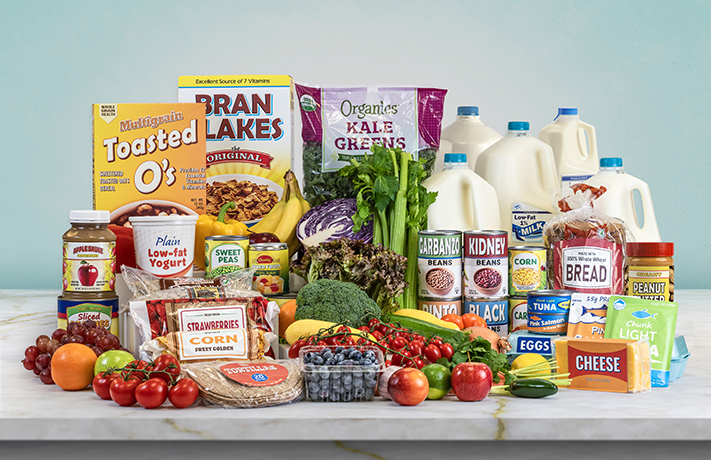
- Cereal: 36 ounces
- Whole grains: 48 ounces
- Fruits and vegetables: $51.00
- Low-fat or fat-free milk: 3 gallons
- Yogurt or low-fat milk: 1 quart
- Cheese: 1 pound
- Eggs: 1 dozen
- Beans or peanut butter: 1 pound dry or 4 cans or peanut butter 16- to 18- ounce jar
- Canned tuna, salmon, sardines and mackerel: 10 ounces
The formula feeding option provides these foods for 6 months after your baby is born. Moms who choose the fully or partially breastfeeding options will receive more food for one full year.
Foods for Infants
Breastfeed when you and your baby are together.
When your baby is age 0-3 months old:
- Formula: up to nine cans of 12.5-ounce powder*
When your baby is age 4-5 months old:
- Formula: up to 10 cans of 12.5-ounce powder*
When your baby is age 6-11 months old:
- Formula: up to seven cans - 12.5-ounce powder*
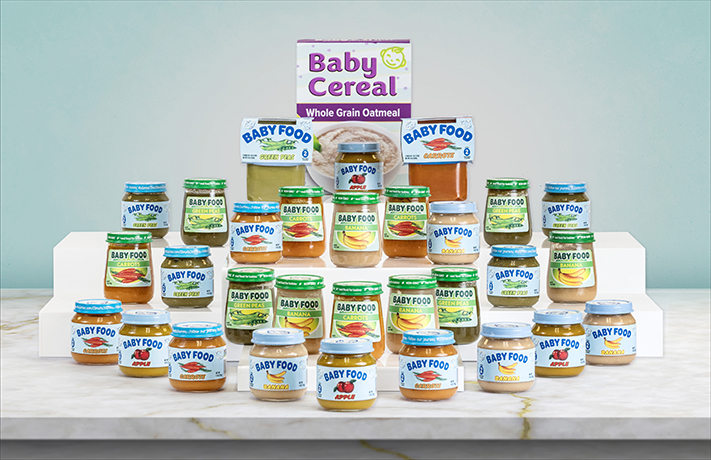
- Infant cereal: 8 ounces
- Baby food fruits and vegetables: 32 containers, 4 ounces each
*All formula amounts are approximate and may vary based on type and can size.
-
Children’s Monthly WIC Foods
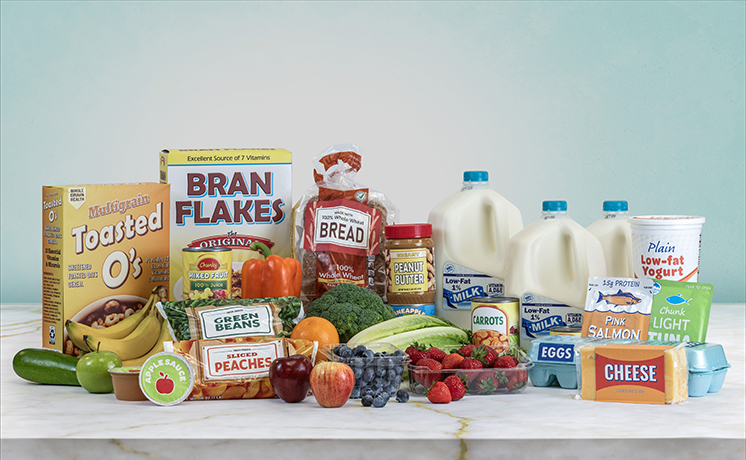
- Cereal: 36 ounces
- Whole grains: 24 ounces
- Fruits and vegetables: $30.00
- Milk: 3 gallons*
- Yogurt or milk: 1 quart*
- Cheese: 1 pound
- Eggs: 1 dozen
- Beans or peanut butter: 1 pound dry or 4 cans or peanut butter 16- to 18- ounce jar
- Canned tuna, salmon, sardines and mackerel: 6 ounces
*One-year-old children get whole milk and whole milk yogurt. Children 2-5 years old get low-fat or fat-free milk and yogurt.
Nutritional Benefits of WIC Foods
Fruits and Vegetables: More is better
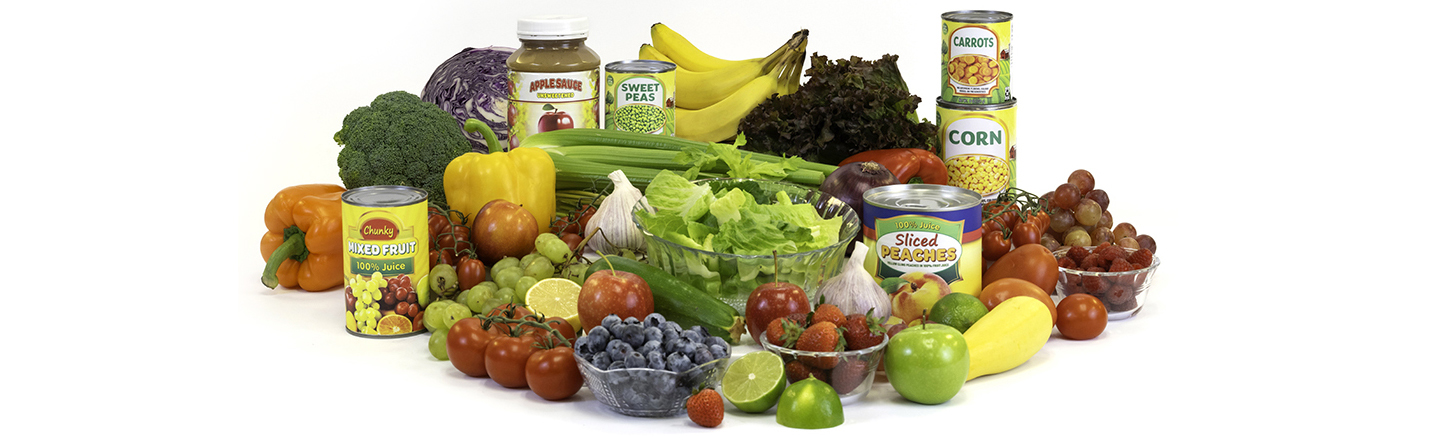
Enjoying fruits and vegetables as a family can help you build healthy habits. Fruits and vegetables provide nutrients like vitamin C for a strong immune system. They also contain fiber to help you feel full and reduce the risk of diabetes, heart disease and cancer. Choose a variety of colorful foods to support good health.
Whole Grains: Make half your grains whole grains
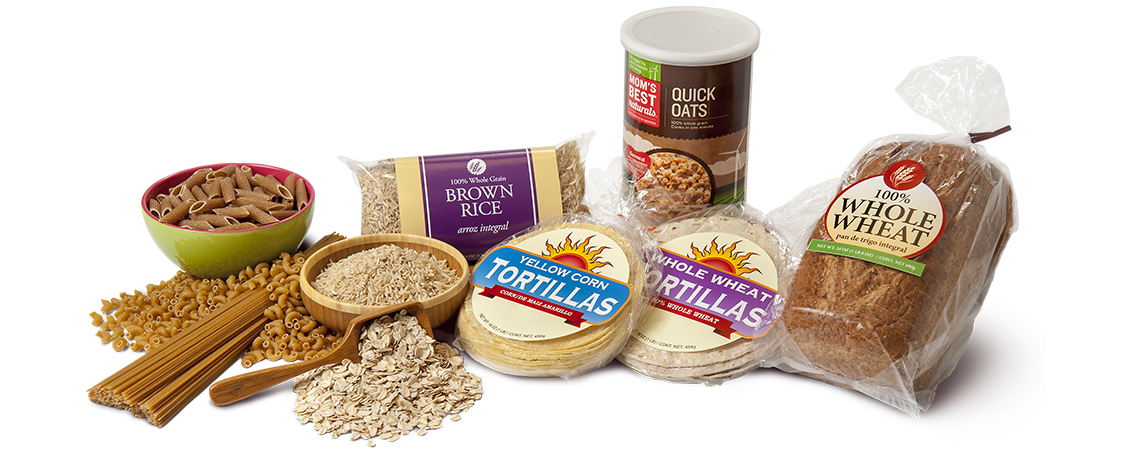
Foods made from wheat, rice, oats or corn are considered grain products. Refined grains, like white bread and white rice, go through processing that removes important nutrients like fiber, iron and many B vitamins.
Whole grains are healthier than refined grains because they have the entire grain kernel and healthy nutrients like fiber. They can help lower your risk of heart disease, diabetes and certain cancers. Eating whole grains can also reduce constipation and improve digestive health.
Protein: Choose a variety
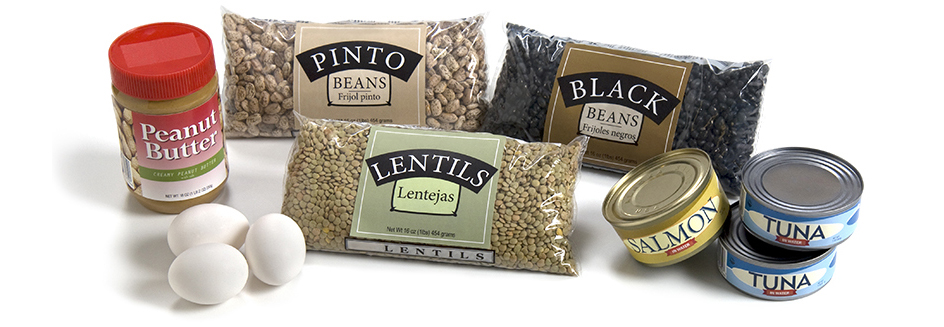
Proteins such as lean meat, beans, eggs and fish help build muscles and tissues. Many of these foods also have iron which helps carry oxygen in the blood and prevent anemia. Fish contain healthy fats called omega-3 fatty acids for good heart health. Getting enough protein helps you and your children have energy to learn, play and grow.
Dairy Products: Strong bodies need strong bones
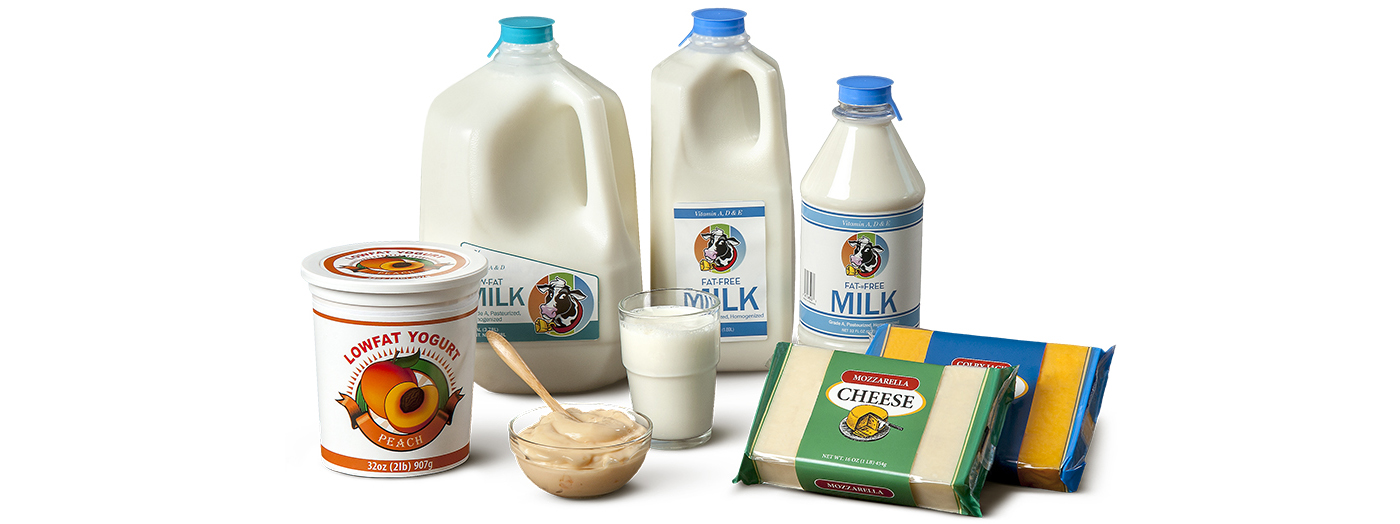
Dairy and dairy alternatives are great sources of calcium, vitamin D and other nutrients needed for strong bones and teeth. They contain vitamins to support your immune system and are a great source of protein.


 Have any questions?